
Best Sellers
| Ebook Best Sellers | Print Best Sellers |
|---|---|
|
|



Recently Added
| Recently Added | ||
|---|---|---|
Twenty-four stories plus self-contained excerpts from nine novels, ranging from romance to mind-twisting fantasy to realism, to history. Some include elements of all of those.
|
Random thoughts on what chaplains or pastoral care givers do daily when they walk into a hospital room and listen to the spiritual distress of the ill or dying.
|
Tired of the fears, frustrations, and stereotypes of modern life? Walk through the politically incorrect year of satire, humor and outrageously absurd yet realistic observations to help you release your inner Kraken.
|
Kayla and Sandy have been best friends since they were little. Sandy now leads a life of disarray and Kayla doesn't agree with it. When tragedy strikes Kayla's' life, she could never imagine who is behind it all.
|
Lauren Mendelsohn, a law professor in California, investigates the death of her Aunt Olivia’s friend, Desmond Franzini, a fading historical novelist found dead in a hotel room, leaving behind the memoir of a World War II bombardier.
|
A young dog encounters adventure in the Florida woods and finds his true self by overcoming adversity and learning the value of friendship.
|
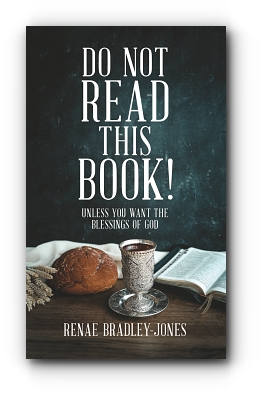
There is an increase in trials and tribulations in our lives every day. Crime is on the rise, natural disasters, and wars. We need faith and God's blessings in our lives.
|
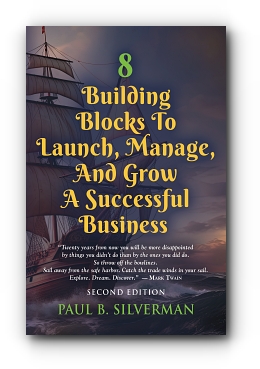
8 Building Blocks or 8BB is a book about opportunity and achieving success. 8BB Second Edition provides motivation, guidance, management tools and a vision helping readers navigate from a business idea to create a new venture.
|
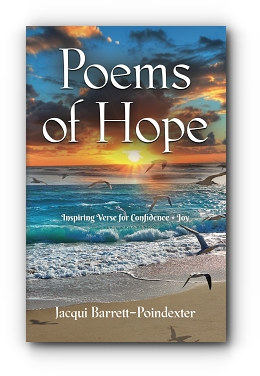
By day, execs hire Jacqui Barrett-Poindexter to cultivate personal brands. Out of this rigor emerged poetic expression: from soliloquies of the pelican to wafting warm waves of the ocean arise soul-steadying verses of confidence and joy.
|
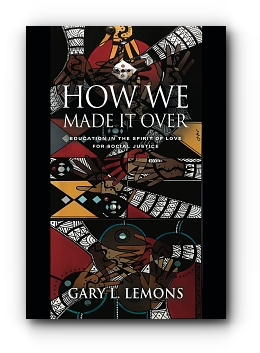
This anthology examines ways its contributors have remained devoted to social justice through the lens of scholarly research and the power of artistic expression across differences of race, gender, class, sexuality, ability, and culture.
|
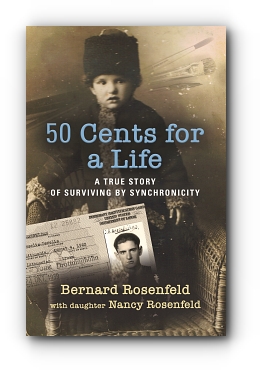
Defying an impossible fate, destiny’s abruptly rewritten by unimaginable paths. Eerie synchronicity directs a miraculous escape from grips of WWII Europe to America, as skilled artistry quiets chaos in a quest for truth and self-peace.
|
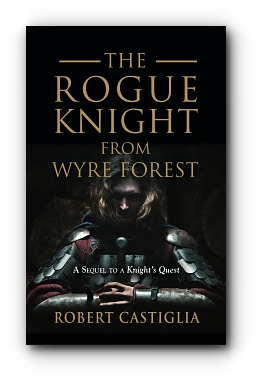
The time traveler, Andrew Coppersmith returns to Medieval England and discovers nothing is at all what he expected.
|